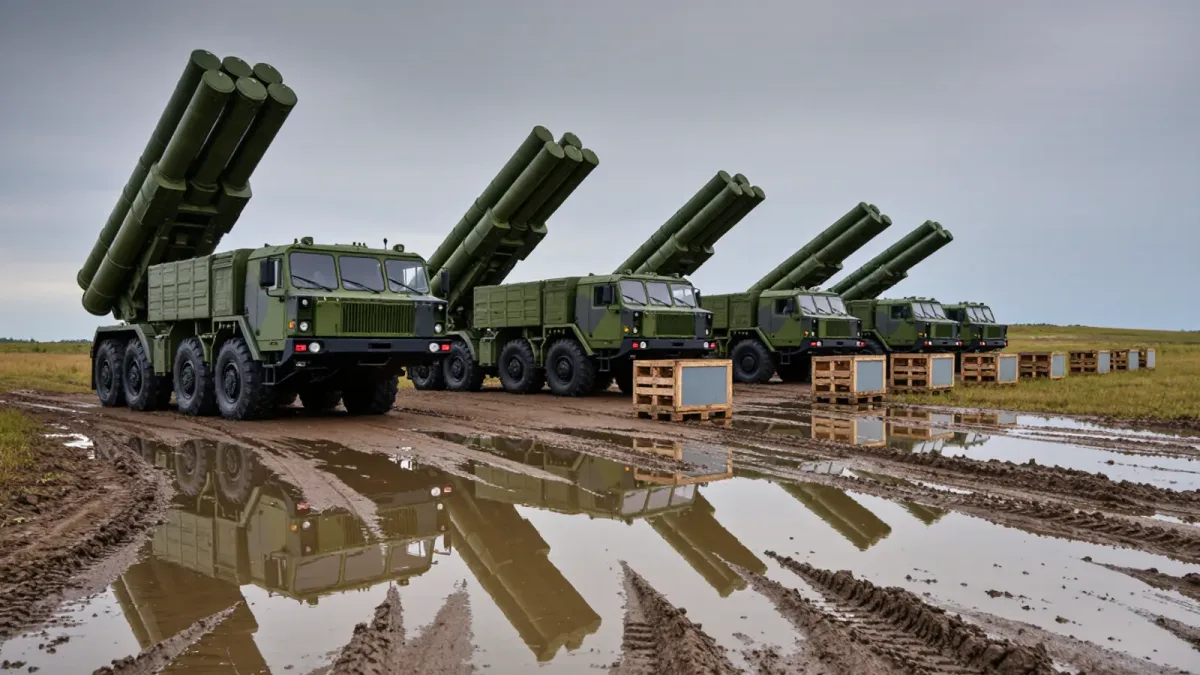
Magazine depth is the number that decides an air defense battle before it starts
Every interceptor fired is inventory that cannot be replaced in days, and attackers have learned to count.
Surface-to-air systems explained layer by layer: sensors, interceptors, command links, magazine depth and the cost per engagement each design accepts.
Every interceptor fired is inventory that cannot be replaced in days, and attackers have learned to count.
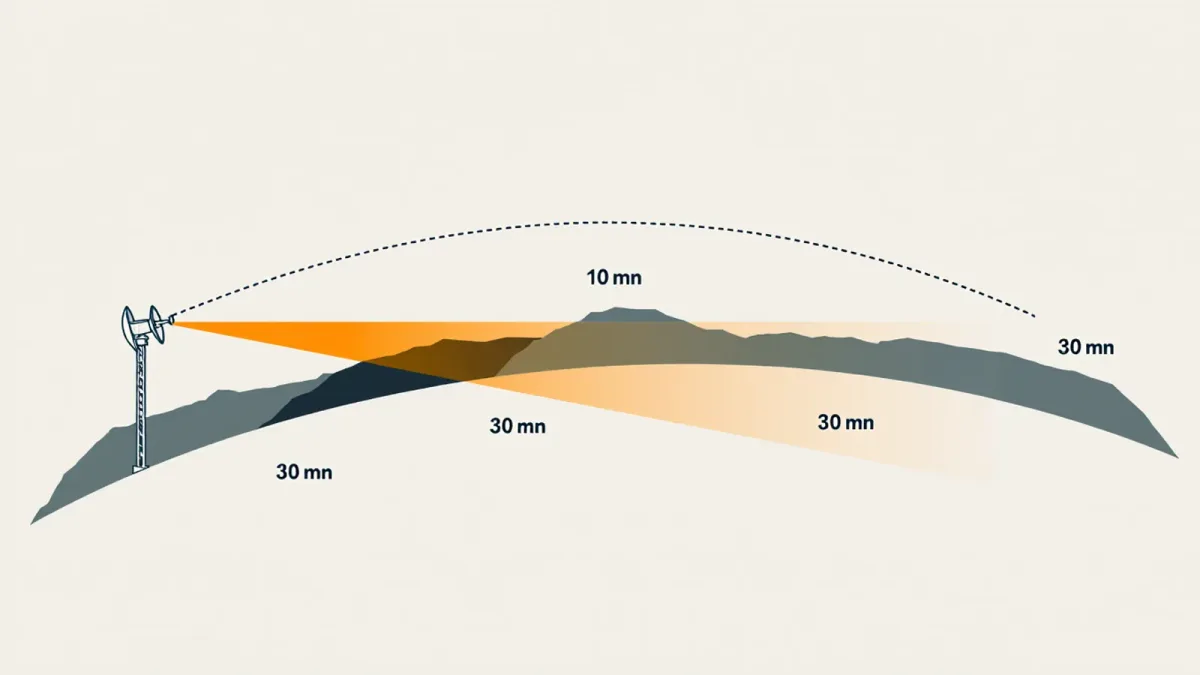
A radar's coverage is a line-of-sight calculation before it is a performance number — hills, horizon, and antenna height cut the published range down to a site-specific shape.
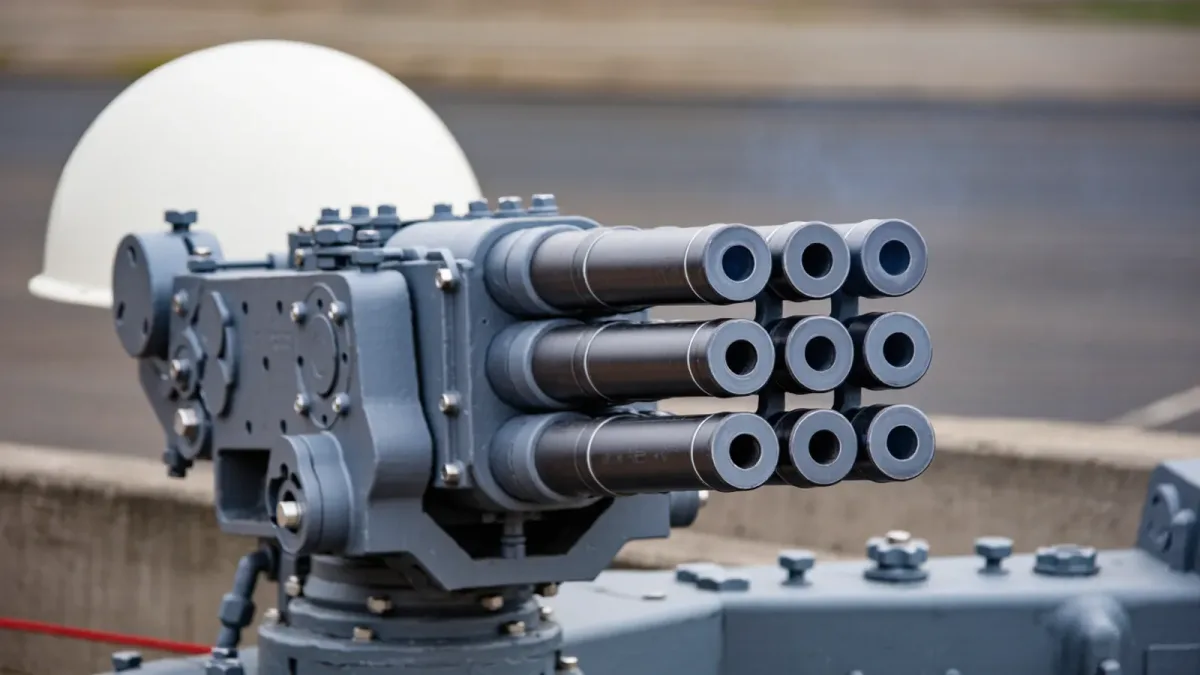
The hardest target in air defense is not an aircraft but a small, cheap, ballistic lump of steel on a 60-second flight.
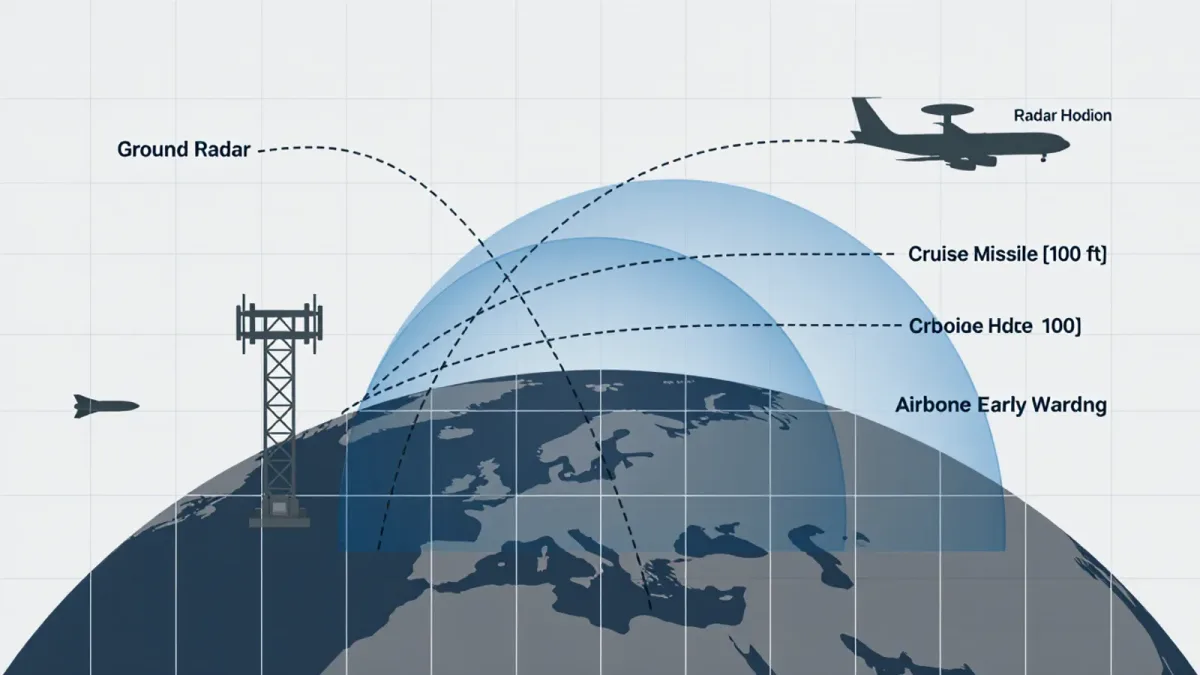
The Earth itself is the first stealth coating: below the radar horizon, a cruise missile is invisible until seconds matter.
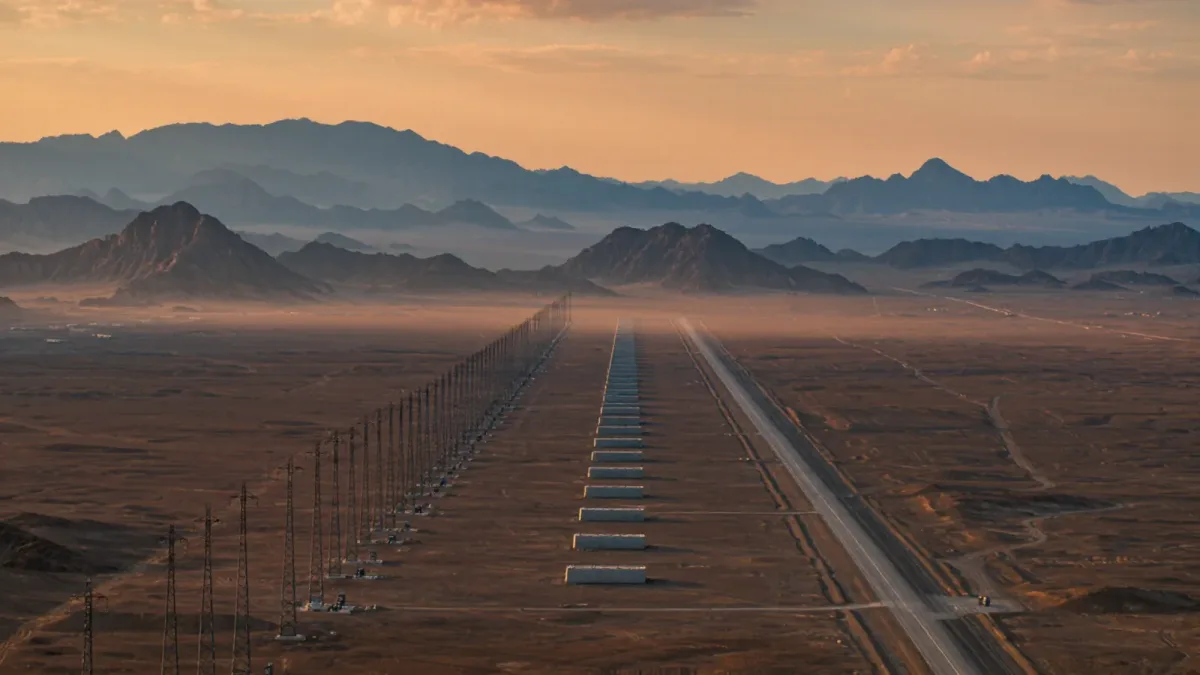
The advertised range of an interceptor is where its box begins, not where it ends — engagement zones are cut down by geometry, timing, and kill probability.

Behind every intercept sits a command network that decides who sees the target, who shoots, and when.