
The security clearance process explained step by step, from SF-86 to adjudication
A federal clearance is not a licence and not a job offer. It is a trust decision, and it follows a fixed sequence of paperwork, investigation and judgement.
Security covers threat assessment and force planning: national defense reviews, alliance commitments, air policing arrangements, base protection and deterrence posture. Coverage names the document, the date and the assumption being tested. Written for staff officers, policy researchers and readers who want strategic decisions traced back to published reasoning.
Threat assessments, alliance force planning, base protection and airspace control examined through published doctrine, exercises and defense reviews.
A federal clearance is not a licence and not a job offer. It is a trust decision, and it follows a fixed sequence of paperwork, investigation and judgement.
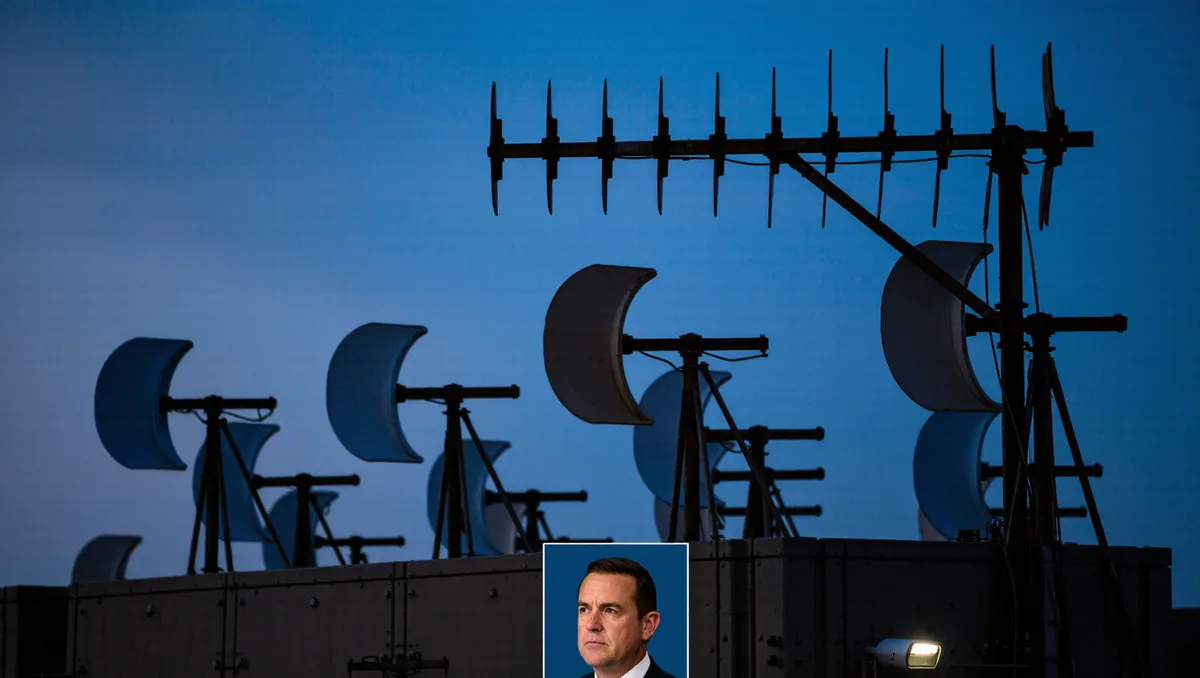
A six-month-old startup is betting that continuous AI-driven attack simulation, not annual penetration tests, becomes the baseline for enterprise defense.

Resumes, interviews and the real trade-offs between corporate, event and government security posts.

A Sept. 22 memo mobilizes defense cyber resources for Election Day, filling a gap left by a hollowed-out civilian agency.

The declaration is the easy part. Enforcement means legal authority, suppression of air defenses, and a patrol tempo that never stops.
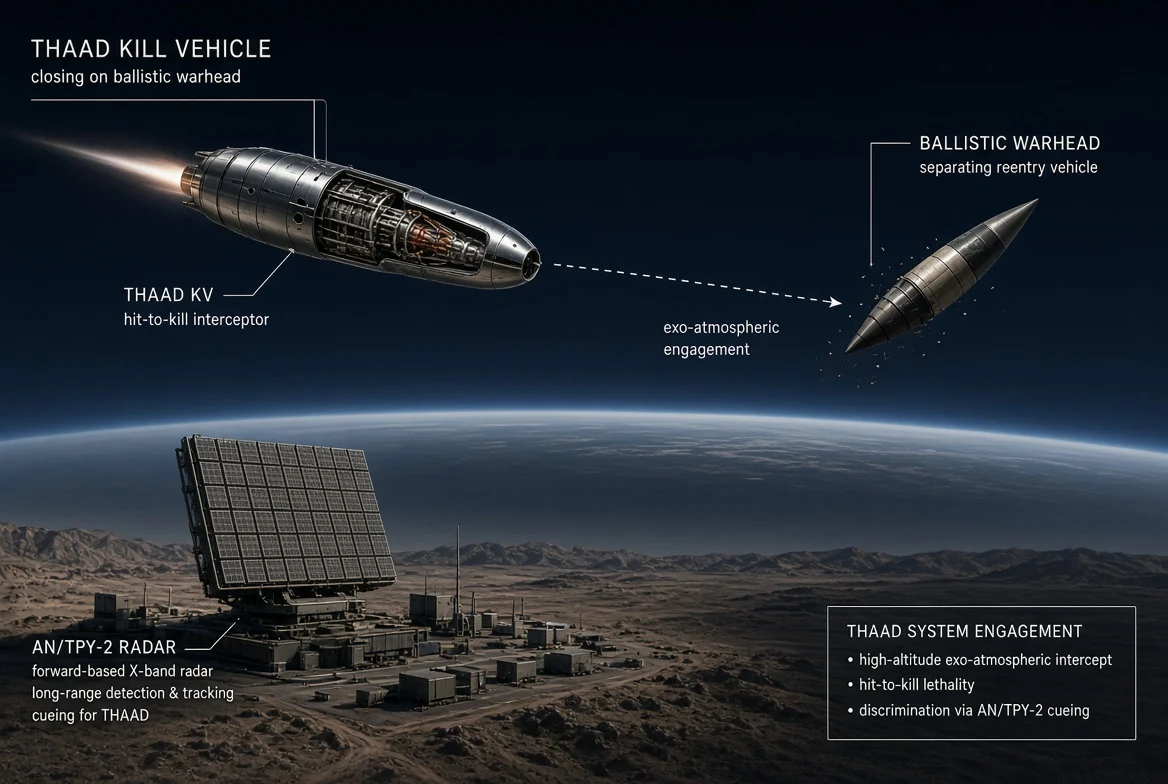
The Missile Defense Agency's hit-to-kill interceptor has an unbroken public test record. What it doesn't have, per a CSIS assessment reported by Breaking Defense, is enough spare rounds until production catches up in 2027.